Tag: Planning Permission

Architect reviewing blueprints and scale model at a desk, with a safety helmet and coffee cup nearby.

Who is an Architect and why do I need them?

Many People aren’t aware that architects are regulated in the UK, unless they’ve been misfortunate enough to have a bad experience with someone falsely claiming to be one. How do I know if someone is an Architect The title ‘architect’ is protected by law (Architects Act 1997), so that only those who have undergone rigorous...

Read Details
Modern two-story house with glowing windows and landscaped garden at dusk.

The Role of an Architect in Home Extensions

When expanding your living space in Woking, Surrey, an architect can help turn your home extension dreams into reality. Let’s explore how these professionals can contribute to your project and why their expertise is invaluable. Design Optimisation Architects bring a wealth of knowledge and creativity to your home extension project. They can help you maximise...

Read Details
Architects discussing a blueprint with measuring tools, focusing on design details and planning strategies.

Common Mistakes to Avoid When Planning a Home Extension

When planning a home extension in the UK, there are several common mistakes that homeowners should be aware of and avoid. Here are the key pitfalls to steer clear of: Insufficient Planning and Design One of the most critical mistakes is failing to plan the extension in full detail. This includes: To avoid this, work...

Read Details
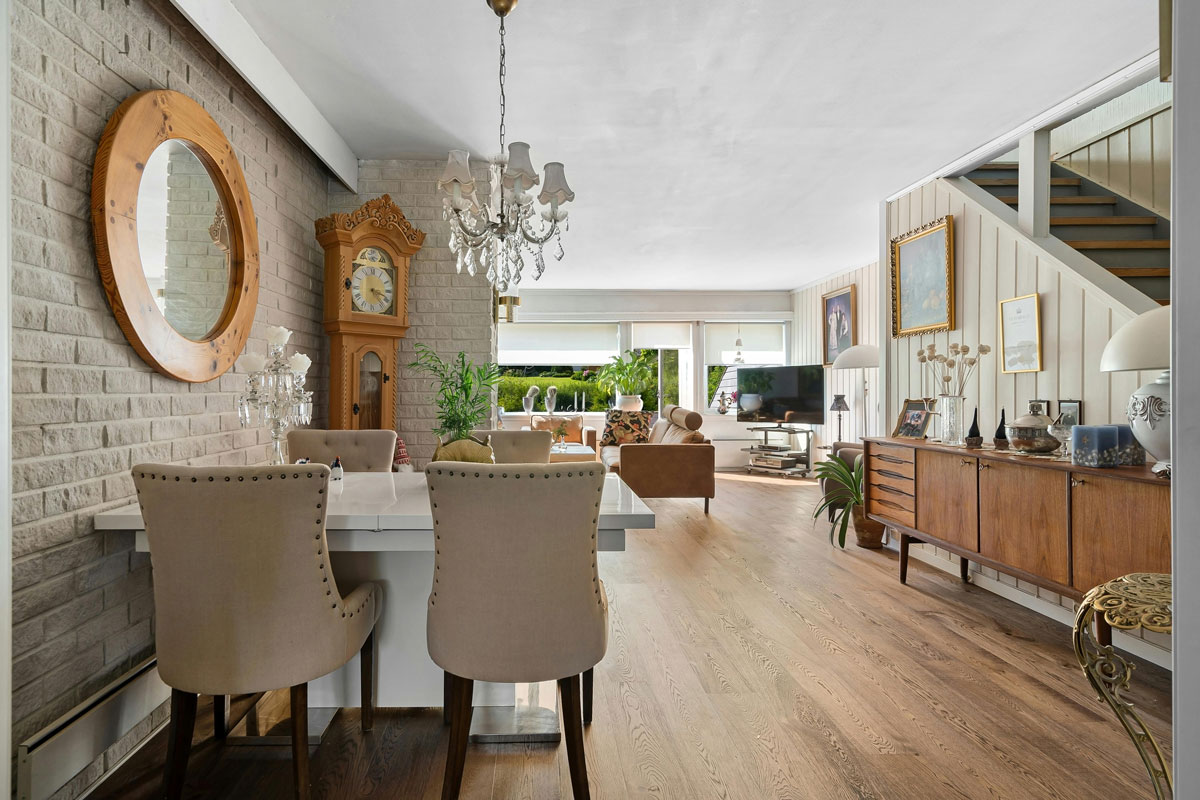
Stylish open-plan living room with dining area, featuring vintage decor, a chandelier, and a grandfather clock.

Top 10 tips for home extension

When considering a home extension in the UK, there are several important factors to keep in mind to ensure a successful project that complies with regulations and enhances your living space. Here are some tips:  1. Planning Permission: Check with your local planning authority to determine if your proposed extension requires planning permission. Some smaller...

Read Details
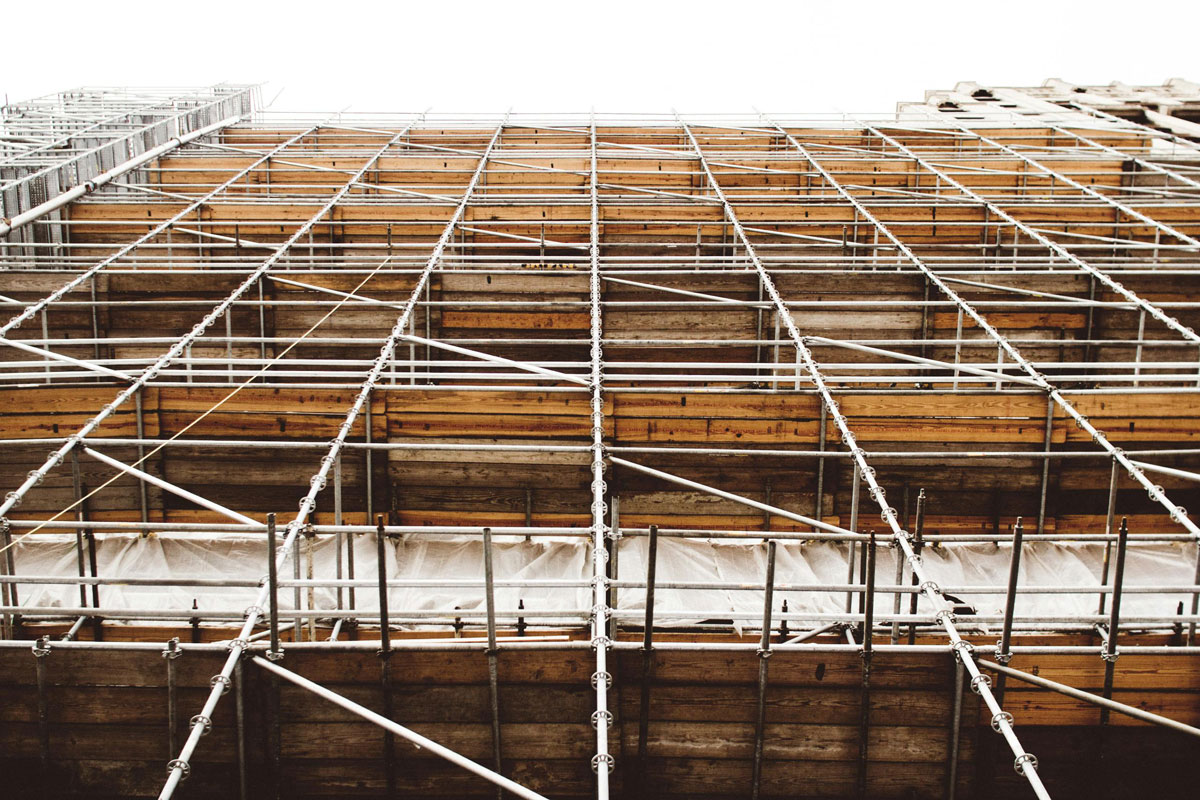
Construction scaffolding with wooden planks reaching up a building facade.

What is planning permission?

In the UK, planning permission is official approval needed for certain developments or changes to land or buildings.

Read Details
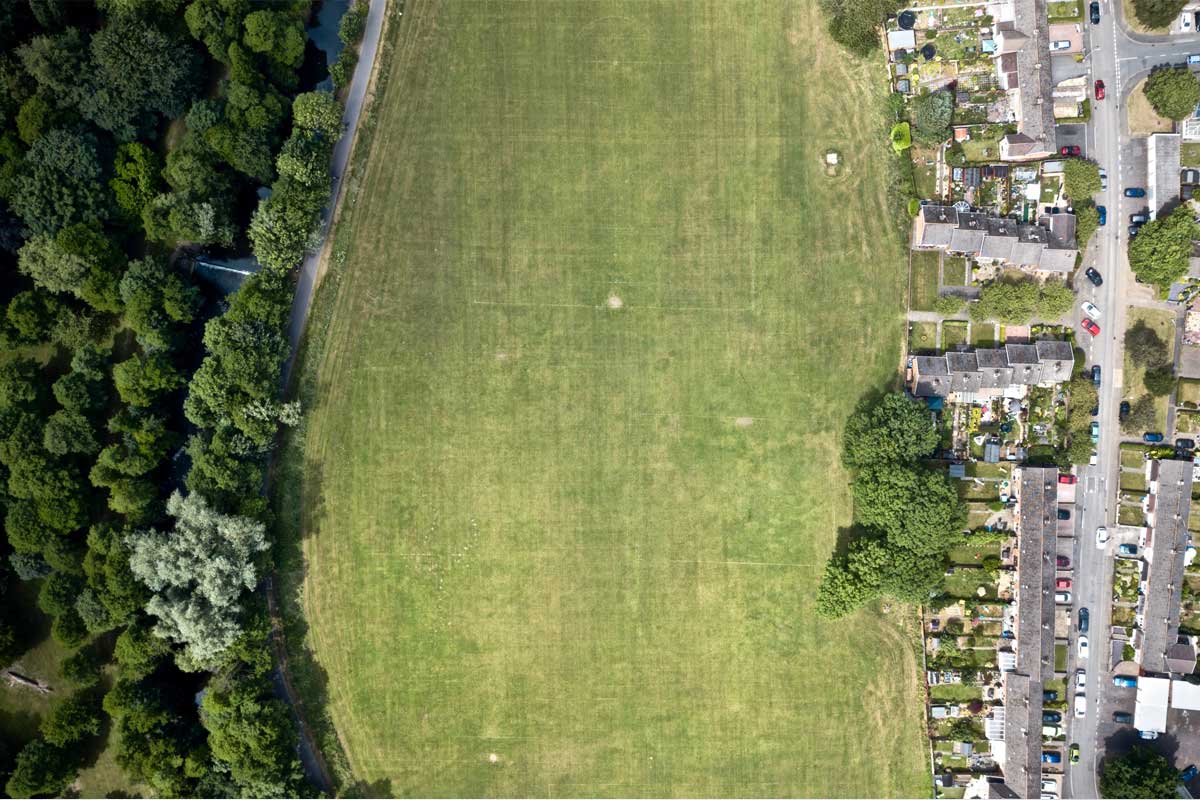
Aerial view of a large grassy field bordered by trees and suburban houses on a sunny day.

What is permitted development?

Permitted development refers to certain types of construction and changes to existing buildings or land that can be carried out without the need for formal planning permission from the local planning authority. Permitted development rights are typically granted by national or local planning regulations and allow property owners to make specified changes to their properties...

Read Details
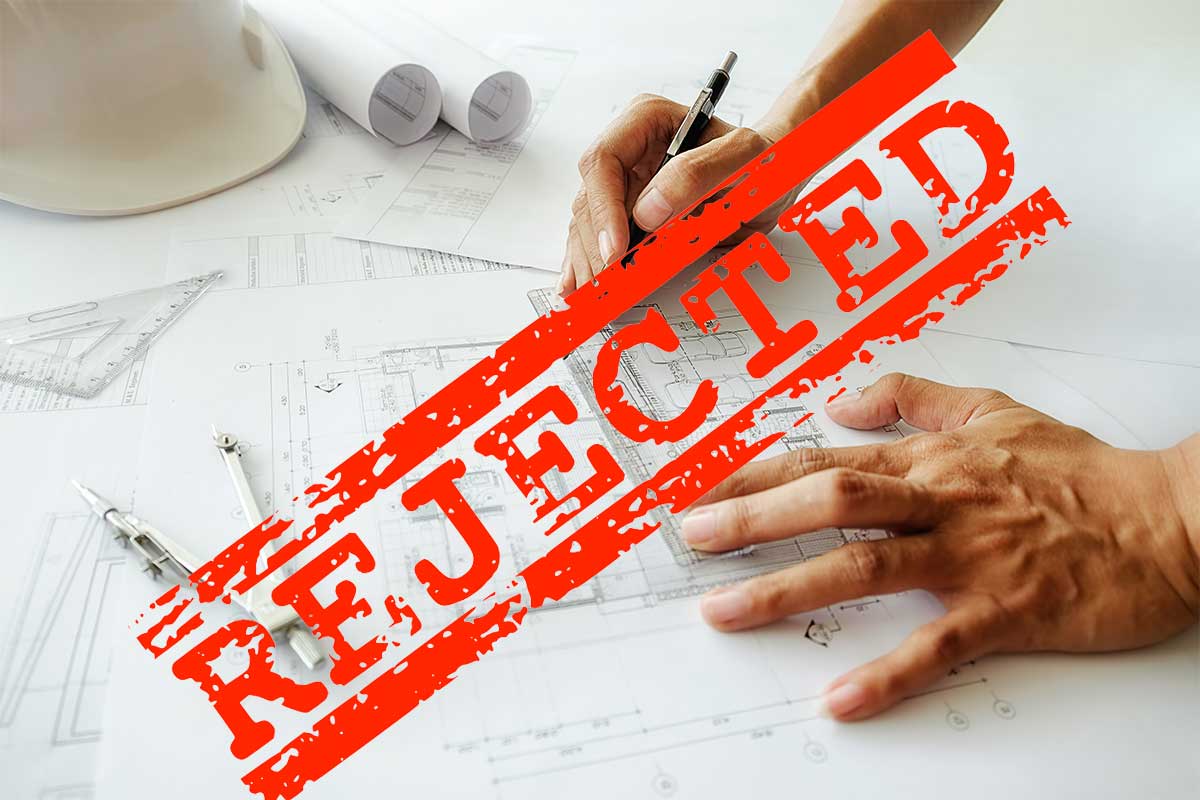
Rejected architectural blueprint, with hands sketching and tools on a table, symbolizing project disapproval.

When a planning application is refused?

When a planning application is refused, several outcomes and options may follow:  1. Appeal: The applicant can appeal the decision to a higher authority, such as a planning inspectorate or a planning appeals board, depending on the jurisdiction. The appeal process typically involves submitting additional information or arguments to support the application.  2. Re-submission: The...

Read Details
Modern living room with gray sofa, patterned rug, and elegant decor, featuring soft lighting and a large window.

Guidance for garage conversions

A garage conversion is a relatively cost-effective way to increase space in your house. Be it a gym, children’s play area, office, additional bedroom or living space, this can add value to your house price.  The need for planning permission for a garage conversion depends on several factors, including your location and the specific regulations...

Read Details
Colorful row of blue, yellow, and pink houses with white trim under a clear blue sky.

What is a Party Wall

A “party wall,” also referred to as a parting wall or common wall, is a shared dividing wall between two or more adjacent properties. It originated as a fire safety measure for London’s terraced homes as far back as the 11th century, especially in response to the Great Fire of 1666. This wall can be...

Read Details